
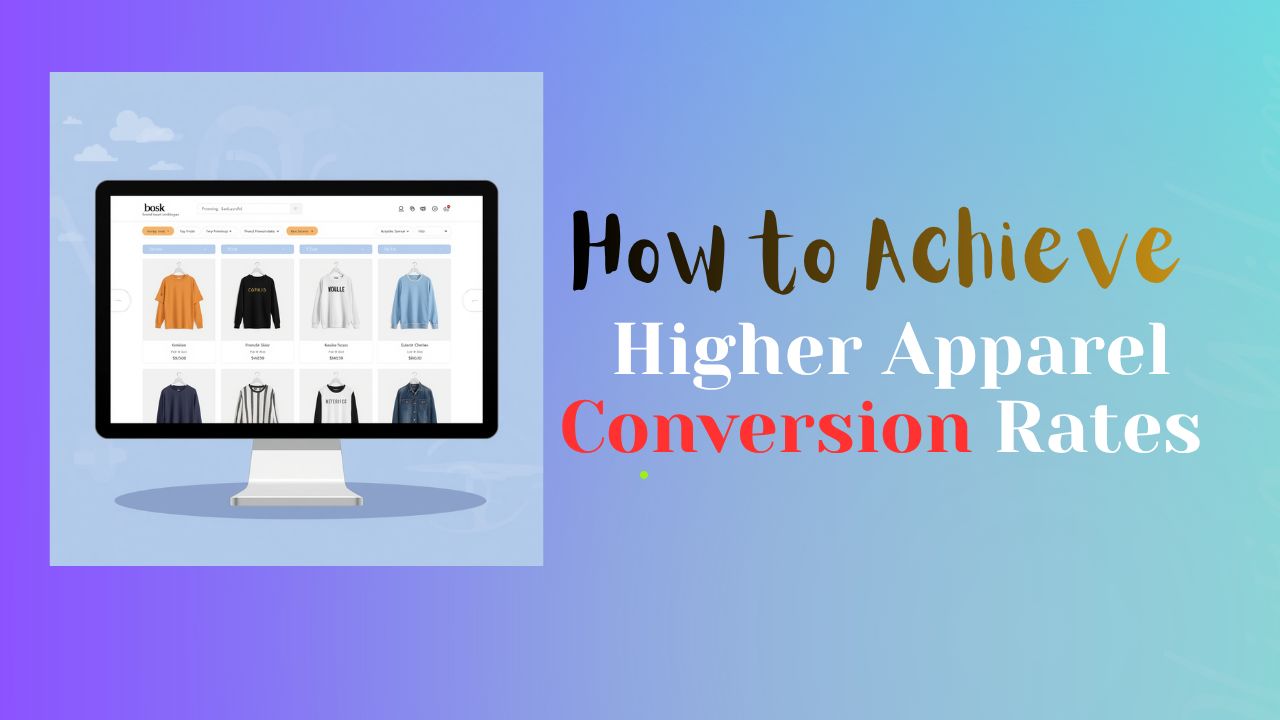
One of the most significant challenges for eCommerce brands is to increase apparel conversion rates. Fashion retailers need to streamline each touchpoint, including product discovery and checkout, with the increasing acquisition costs, shorter attention spans, and more competition than ever. The good news? Apparel is still one of the strongest-performing eCommerce categories, and with the right strategy, brands can increase conversions dramatically. This guide dissects the most efficient, experience-proven strategies to increase apparel conversion rates in 2026, based on actual customer behavior and eCommerce best practices.
Why Apparel Conversion Rates Are Harder-But MOre Valuable-Than-Ever
Fashion shoppers behave differently from other ecommerce customers. They browse more, compare more and come back more. The conversion is influenced by fit uncertainty, price sensitivity, and style preferences. However, since apparel customers also have high lifetime value, a small improvement in conversion can make a significant revenue difference.
Personalization, product education, and clean UX have the largest returns in brands.
1. Use High-Quality Visuals That Reduce Uncertainty
Apparel is a visual category. Customers would like to know how a product looks, moves, and fits. In 2026, the brands that have the best conversion rates utilize:
- Multiple angles and close-ups
- Short product videos that showing movement
- 360° views
- Photos of contextual lifestyle.
- Authentic user-generated content
The clearer the image you offer, the fewer questions the shoppers will have-and the faster they convert.
2. Offer Advanced Fit Tools and SIze Predictors
The number #1 reason why people hesitate to purchase apparel online is Fit. The modern brands are addressing this with:
- AI-powered size recommendations
- Body-type filters
- Fit quizzes
- Wearing size X description on the model.
- Height, weight, and fit customer reviews.
Such tools decrease returns and boost buyer confidence, which in turn makes conversion rates go up.
3. Strengthen Product Descriptions With Real Expertise
The EEAT rules reward the content that reflects expertise and reliability-and so do shoppers. The description of apparel should not be just generic copy, it must contain:
- Fabric details and advantages.
- Stretch, weight, and feel
- Use cases (workwear, travel, gym, etc.)
- Care instructions
- Styling suggestions
4. Personalize the Shopping Experience
Personalization no longer is an option. The conversion rates in apparel brands on AI-powered personalization are much higher. Effective tactics include:
- Personalized product recommendations
- Recently viewed items
- “Complete the look”bundles
- Dynamically updated home page content depending on the browsing behavior.
Personalization saves time and makes shopping easier by letting shoppers locate items that interest them.
5. Build Trust With Social Proof
Social validation is very important to fashion shoppers. To increase conversion:
- Highlight customer reviews and ratings
- Display UGC and authentic customer photos
- Display “bestseller”or “trending”badges
- Includes press placements or influencer promotion.
Trust signals minimize uncertainty and boost confidence in marketing a purchase.
6. Optimize Your Mobile Shopping Experience
More than 70 percent of product discovery in apparel occurs through the mobile device. When your mobile UX is not smooth, then your conversion rate is not good. Focus on:
- Fast load time
- Clean product pages
- Sticky add-to-cart buttons
- One-page checkout
One of the quickest methods of boosting conversions is a frictionless mobile experience.
7. Use Smart Pricing and Promotions
Shoppers of apparel are price-sensitive and continual discounting is damaging margins. Instead, use strategic promotions:
- Limited-time offers
- First-purchase incentives
- Bundle discounts
- Free shipping thresholds
- Loyalty rewards
These strategies will boost conversion without downgrading your brand.
8. Reduce Checkout Friction
A poor checkout cannot be saved even with the best product page. To improve conversion:
- Provide a variety of payment methods (Apple pay, Klarna, Paypal)
- Enable guest checkout
- Minimize from fields
- Display shopping cost early
- Provide delivery estimates
Easy checkout has the potential to boost the conversion rates by 20-40%.
9. Improve Post-Purchase Confidence
Customers are easier to convert when they are assured of easy returns. Make your policies:
- Clear
- Fair
- Easy to find
Trust can be built by flexible return policies-and trust increases conversion.
Conclusion
In 2026, a combination of powerful images, personalization, trust-building, and frictionless UX will be necessary in order to achieve higher apparel conversion rates. Fashion consumers desire transparency,trust and comfort. When brands achieve all three, the conversion rates will increase automatically. The brands that are winning today are not simply selling clothes, but certainty, style guidance, and a hassle-free experience throughout.